
herri
A radical Afrocentric online living archive and journal using screen-based, cinematic, game-inspired design to share and decolonise knowledge via multilingual engagement.
Initiator(s)
Aryan Kaganof, Slovo Mamphaga, Kopano Ratele, Vonani Bila, Vulane Mthembu
Description
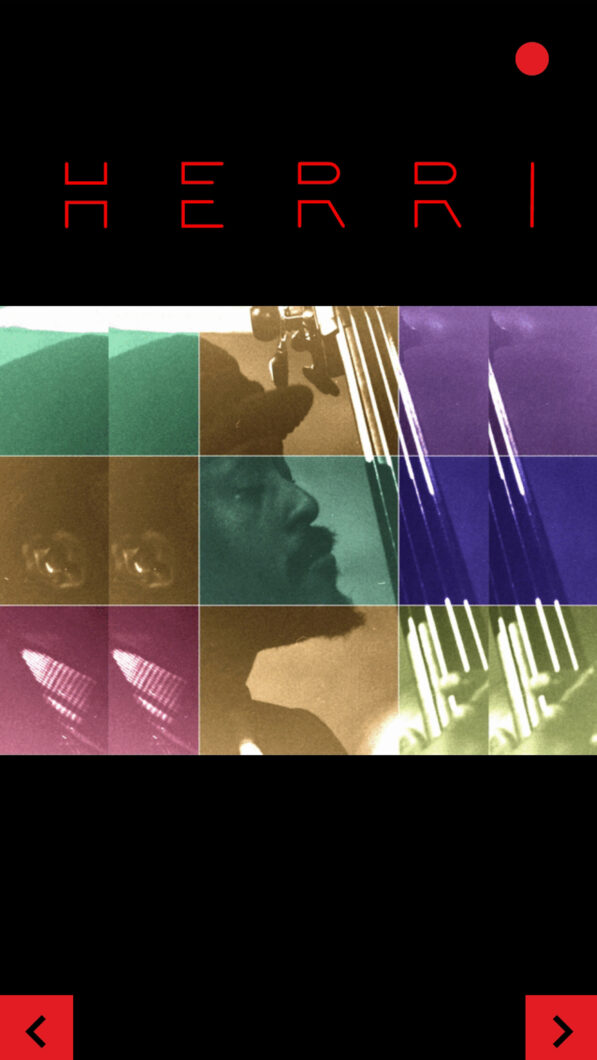
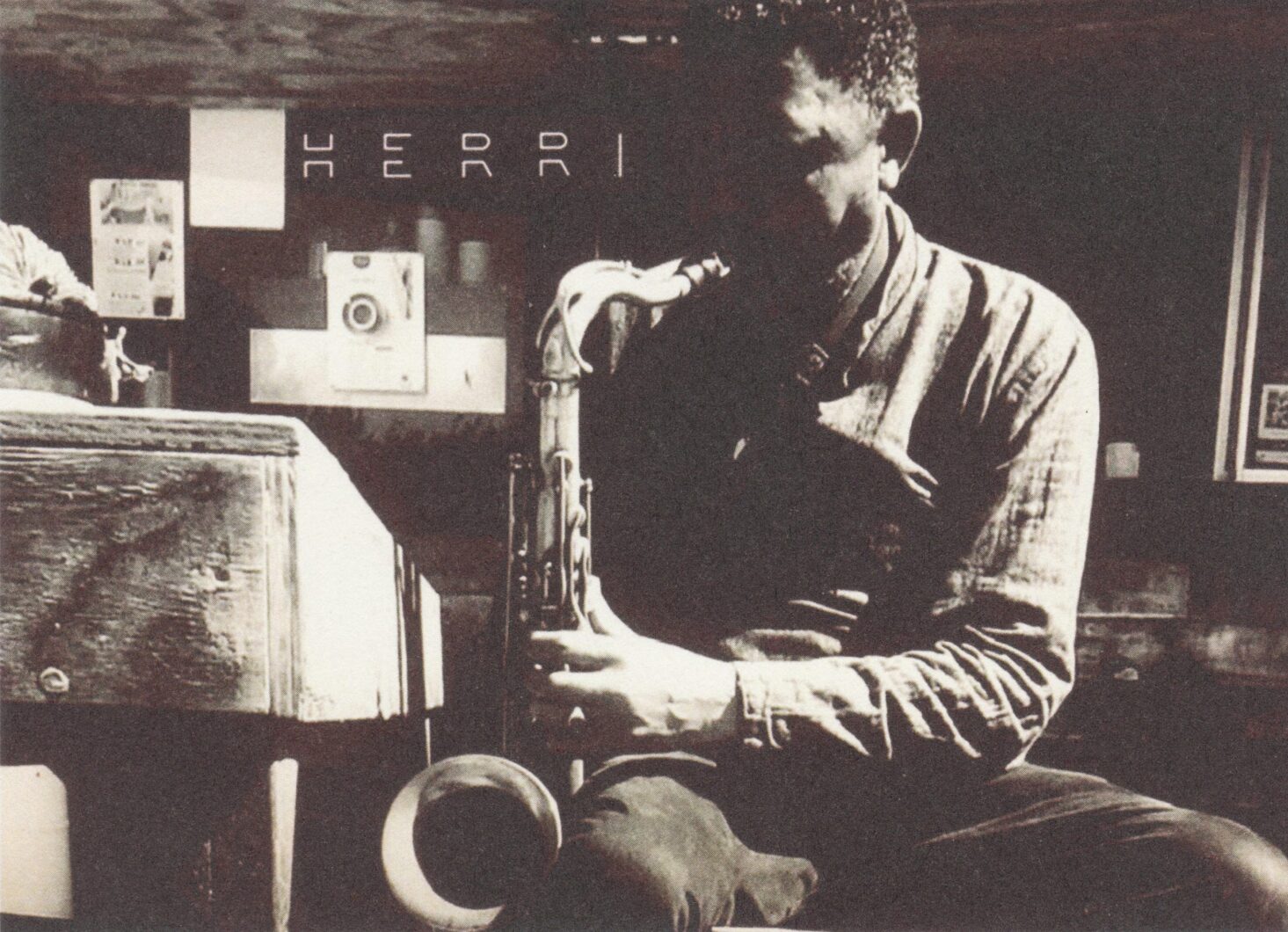
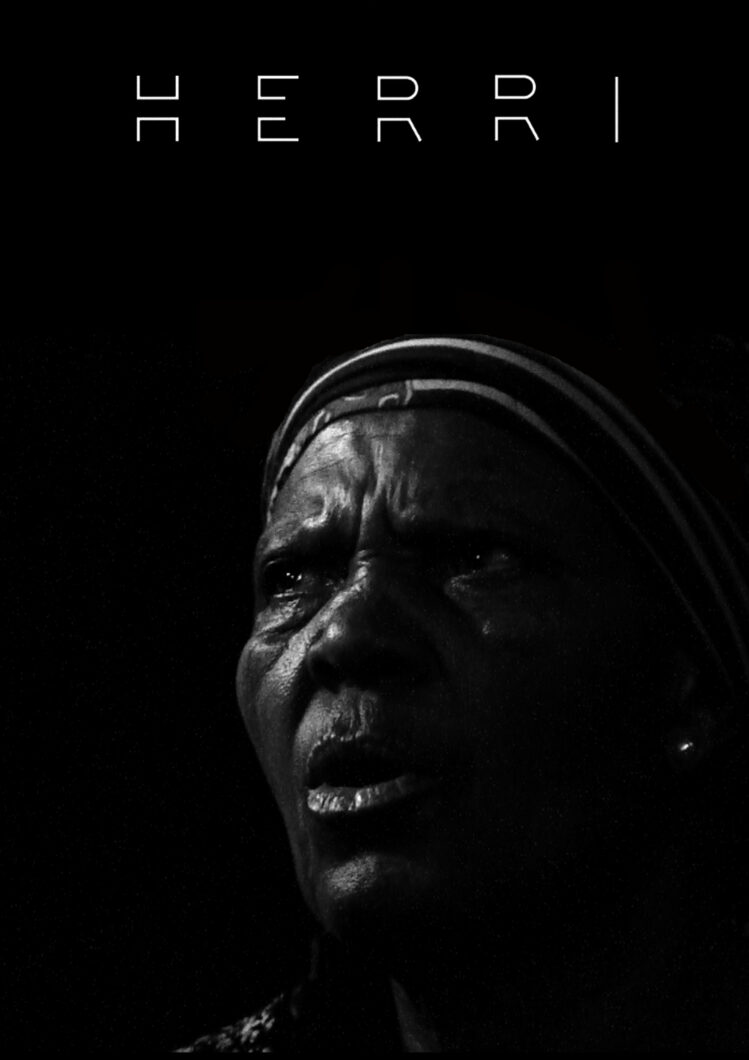
herri is an innovative online platform that functions as a living archive, journal, e-magazine and digital museum. Rejecting print-based models, it embraces a screen-based genealogy drawing on cinema, video games and print media. Designed as an Afrocentric pedagogic tool, it generates, cultivates, analyses, propagates and archives knowledge through sensorial abundance, merging art, music, film, text and design. Named after the Khoi freedom fighter Autshumao (using decolonial orthography), herri has no publication dates—it exists in a perpetual “now.” Its intersectional structure includes Editorial, Theme, Galleri, Borborygmus, Frictions, Claque, Off the record, Hotlynx, The Back Page and The Selektah sections. Multilingual content is integrated paragraph-by-paragraph rather than segregated. Initiated in 2019 at Stellenbosch University under the Delinking Encounters project, it has produced 13 iterations featuring commissioned responses, archival material and even full digital PhDs.
Goals
herri aims to create a radical new model that makes traditional online journals and institutional archives obsolete by fully exploiting the ontology of the screen. It seeks to decolonise knowledge production, time and the archive itself, moving beyond carceral, gated, colonial structures toward open-access memory sharing. By fostering simultaneous multidimensionality, relational interfaces (inspired by Édouard Glissant) and trans-/post-disciplinary practice, it investigates what decolonisation looks and sounds like in an age of techno-hybridity, enabling active participant engagement rather than passive reading.
Beneficial outcomes
herri produces new South-led digital humanities knowledge through commissioned multi-perspectival responses to archival material, enabling generative creative and academic practice.
It has published the first fully digital PhDs accepted by a university, expanding multimodal, interactive scholarship. Its non-linear, intersectional design creates novel research methods via contingent juxtapositions and user navigation. Multilingual, code-switching presentation models everyday South African linguistic practice and embeds decolonial theory in the interface itself. Used in university teaching (e.g., Edge Hill University), it offers a living, ever-expanding portal that bridges lived memory, artistic imagination and digital media, releasing South African cultural knowledge from apartheid-era categorisations.
Location
South Africa
Users
Global audience.
Maintained by
Aryan Kaganof, Martijn Pantlin, Andrea Rolfes, Jurgen Meekel, Slovo Mamphaga.
Duration
2019-2026
Category
Scientific
Pedagogical
Politics
Urban Development
Economy
Environment
Social


